The importance of nurturing creativity

I am nurturing creativity in my son. It is a conscious thing. I praise his pencil strokes, his flights of fancy, his creative energy. These are moulding years. Experts say that by the age of 8 a child’s sense of self worth is set. That’s such a crucial span of influence. Why is this not page 1 of all parenting manuals?

My son is a budding artist, a photographer, a dancer. We are yet to see what he shall become. Maybe his work shall fill galleries or maybe he shall set bricks in mortar. Only time shall reveal his path. I care less about awards and titles. I’m more concerned that he’s happy, kind and in touch with his creative self.

Why is creativity so important to me? To me it’s a life-skill and outlet that outshines all others. I’m not simply talking about creativity as an artistic pursuit – although this can bring endless joy. I’m interested in the skills of creative thinking – of imagination, of putting ideas into action, of positive collaboration. I’m focused on creativity as a catalyst for learning, cohesion and lifelong wellbeing.

The late, great educationalist and creativity advocate Sir Ken Robinson advised governments and world leaders on the import of nurturing creativity in young learners. Over 20 years ago, as Chair of the National Advisory Committee on Creative and Cultural Education, he wrote the
All Our Futures:Creativity, Culture and Education report. Inside it he championed a national strategy for creative and cultural education that nurtured the abilities of all young people. Through this he said we would grow skills to narrow socio-economic gaps and boost national prosperity.

A key upshot of this report was the launch of the national Creative Partnerships programme which ran between 2002-2011. Working in areas of deprivation – it built learning links between creative and educational communities. As a Director of the Hull, East Yorkshire and Humber Subregion office I observed the power of creativity to change young lives.

Although this programme was brutally cut by the incoming Coalition government its legacy lives on today. If our Department of Education put creativity at the core of learning I’m sure that our country would be healthier, happier and flourishing.

This is why I celebrate and nurture creativity in my son. This is why, when he wants to share his latest idea I listen. The other day he old me about his vision for a new business – ‘Tree Top Cabins.’ He described in detail an eco-friendly utopia where bosses and workers looked after the planet and each other. He talked of making spaces to learn, work and play. I listened to his flow of creative thoughts – his face lit by possibility.

Maybe years down the line, he shall make this a reality. If so, I hope I’m around to see it. Either way, I’m committed to ensuring he continues to make space in his life to be and think creatively. I see it as my duty as a parent to ensure he can express this side of himself.

In our increasingly volatile world I believe that creativity should be a core part of our young peoples survival toolkits. As we face the uncertainties of 21st century life our ability to envision a new direction, to paint to collaborate or sing our hearts out may just unlock a brighter future.
For the love of libraries

In Exeter Central Library in the ‘80s there was a rocking horse. It sat in the children’s section, regal in its chestnut glory. I waved as I rode to save the fairy kingdom. Later I would thumb through musty picture books. I remember the pleasure of choosing, of lugging my favourites to the desk. The librarian would smile as she stamped return dates inside. Then we’d leave hand in hand, taking the libraries looping path to the city below.

I believe that libraries are one of life’s greatest gifts. Whatever your wealth you can sign up and dig into their treasures. This is socialism in action, the equity of knowledge – of escape through books. The pleasure of reading has followed me from child to adult. Yet a national decline in children reading for pleasure is a trend we should all be worried about.

It is equally shocking to learn that the last 10 years has seen the closure of a fifth of UK libraries. This has worked against librarians advocacy for the joy of reading. On top, the Chartered Institute of Public Finance and Accountancy (CIPFA) highlights a 29.6% reduction in national library spend. Whilst the government blames local decision-makers and vice versa, the public are losing out.

With over a quarter of a million pupils facing literacy poverty and 7.1 million adults struggling to read you’d think this would be a national crisis. But the ‘powers that be’ seem unfazed. Maybe it suits them to leave it this way. Who needs an educated populace challenging the status quo.

But libraries aren’t just places of learning, they are refuges too. Their warmth draws the weary and lonely, the troubled and displaced. They provide a meeting place, a safe space through challenging times.

How many if us know about the 1850’s Public Libraries Act? This pivot point in English social history was driven by reformers and philanthropists. Shoot forward 170 years and we barely celebrate this landmark moment. In our hi-tech, consumer world we’re more likely to order books online than trudge to the library. Yet the libraries social value is as important today as it ever was – maybe more so.

When life gets hard and our pockets empty we can go to the library and get lost in a book. This cost-free ability to escape, to learn and takeaway must not be taken for granted.

We must stand up for our libraries at this critical time. These houses of knowledge need us to shout loud. Above all we must speak up for the less fortunate, the folk that depend on them – for community and hope.

“But libraries are about freedom. Freedom to read, freedom of ideas, freedom of communication. They are about education (which is not a process that finishes the day we leave school or university), about entertainment, about making safe spaces, and about access to information.”

Neil Gaiman, Writer (extracted from a lecture for The Reading Agency 2013

Hull: lit up by the arts

Photo: Kim Dent-Brown. ‘Made in Hull’ City of Culture 2017 launch

Wrapped up watchers throng the square. The Hull breeze nips at our noses. My son sits on shoulders, he reaches for the stars. The clock strikes, as pictures flood walls and sounds fill the air. Thousands of faces turn to hall, gallery, museum; fine stone buildings, spared from the bombs. The arts light up the city we call home.

History rushes before us – a light-show of oceans, of seafarers, of heroes. We stand, open-mouthed, swept up by the magic. As I look at the watchers I’m moved by the unity. We are different yet similar – our mouths open, tears falling – such is the power of the arts.

This was ‘Made in Hull,’ the launch of Hull’s 2017 City of Culture year. Although nearly four years back, the memory lives on. Ask any local and they’re sure to remember.

Some had sneered at Hull’s win. They’d tagged it a ‘crap town’ years ago. They didn’t care to know the City of Culture at the end of the line. The proud, maritime city, that had birthed poets and playwrights, actors and activists, musicians and mavericks.

They’d not stood at the bar where Minghella and Motion had supped. They’d not read in the library where Larkin had worked. They’d not slept streets away from the Housemartin’s house. They’d not sat in Hull Truck – the launchpad for actors that went on to Oscars. I had done all of those things; I knew Hull’s arts heritage.

Hull 2017 was a turning point, it opened closed minds. Early impact findings showed success. Overall, it brought income, pride, regeneration. The arts united communities, lifted spirits and flipped opinions. Yet, four years on, so much has changed.

Today, as I sit in a cafe overlooking that same square, the arts are in crisis. The sector that contributes more to the economy than agriculture is in free-fall. Across the country, Coronavirus has shut theatres, halls, galleries and entertainment venues. Arts Unions warn of a wave of redundancies.

As we paint rainbows and hope, our government posits that ballerinas trade tutus for security. This is no surprise from a party that’s cut the arts since 2010. Sadly, the arts have been battling austerity long before Corona.

This dismissal of the arts goes beyond funding. It stretches to classrooms, affecting young people. Since 2010, the EBacc has devastated GCSE entries in arts subjects. A focus on academic scores has squeezed technical and creative options. The repeated message to pupils is ‘the arts don’t count.’

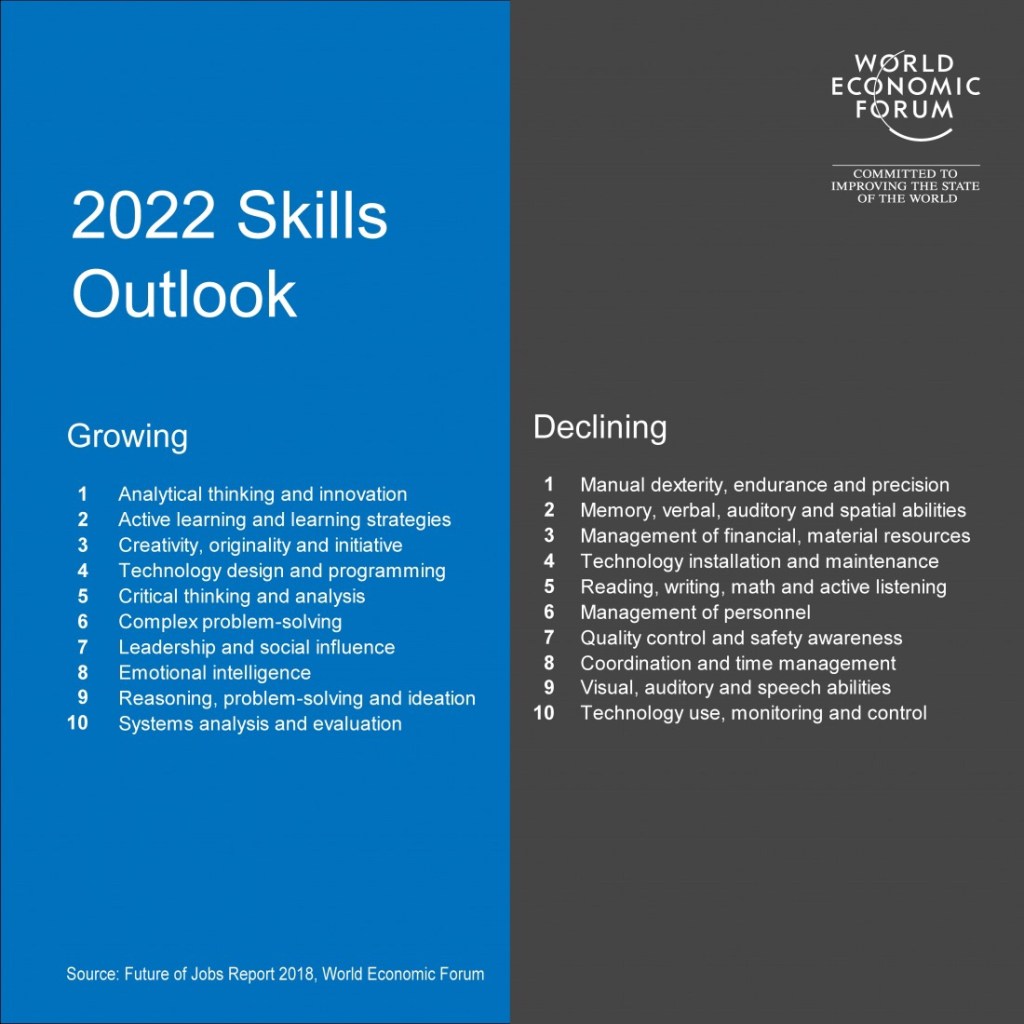
This shortsighted policy is at odds with thought leaders. The World Economic Forum puts creativity high, in its 2022 Skills Outlook. Governments should be championing the arts. Ministers should be fostering the skills born out of creating.

Yet here we are, stuck with a rogue virus and a philistine government. We’re looking to a front bench that puts cronies over culture. Make no mistake, the arts are not safe in their hands; the clock is ticking.

So, if you’ve ever loved a film, a concert or a play – this is a call to action. If you’ve ever felt the magic of performance. – this is an alarm bell! If you’ve ever been touched by the arts – this is the time to stand, to shout, to lend your support: www.campaignforthearts.org