Hull: lit up by the arts

Photo: Kim Dent-Brown. ‘Made in Hull’ City of Culture 2017 launch

Wrapped up watchers throng the square. The Hull breeze nips at our noses. My son sits on shoulders, he reaches for the stars. The clock strikes, as pictures flood walls and sounds fill the air. Thousands of faces turn to hall, gallery, museum; fine stone buildings, spared from the bombs. The arts light up the city we call home.

History rushes before us – a light-show of oceans, of seafarers, of heroes. We stand, open-mouthed, swept up by the magic. As I look at the watchers I’m moved by the unity. We are different yet similar – our mouths open, tears falling – such is the power of the arts.

This was ‘Made in Hull,’ the launch of Hull’s 2017 City of Culture year. Although nearly four years back, the memory lives on. Ask any local and they’re sure to remember.

Some had sneered at Hull’s win. They’d tagged it a ‘crap town’ years ago. They didn’t care to know the City of Culture at the end of the line. The proud, maritime city, that had birthed poets and playwrights, actors and activists, musicians and mavericks.

They’d not stood at the bar where Minghella and Motion had supped. They’d not read in the library where Larkin had worked. They’d not slept streets away from the Housemartin’s house. They’d not sat in Hull Truck – the launchpad for actors that went on to Oscars. I had done all of those things; I knew Hull’s arts heritage.

Hull 2017 was a turning point, it opened closed minds. Early impact findings showed success. Overall, it brought income, pride, regeneration. The arts united communities, lifted spirits and flipped opinions. Yet, four years on, so much has changed.

Today, as I sit in a cafe overlooking that same square, the arts are in crisis. The sector that contributes more to the economy than agriculture is in free-fall. Across the country, Coronavirus has shut theatres, halls, galleries and entertainment venues. Arts Unions warn of a wave of redundancies.

As we paint rainbows and hope, our government posits that ballerinas trade tutus for security. This is no surprise from a party that’s cut the arts since 2010. Sadly, the arts have been battling austerity long before Corona.

This dismissal of the arts goes beyond funding. It stretches to classrooms, affecting young people. Since 2010, the EBacc has devastated GCSE entries in arts subjects. A focus on academic scores has squeezed technical and creative options. The repeated message to pupils is ‘the arts don’t count.’

This shortsighted policy is at odds with thought leaders. The World Economic Forum puts creativity high, in its 2022 Skills Outlook. Governments should be championing the arts. Ministers should be fostering the skills born out of creating.
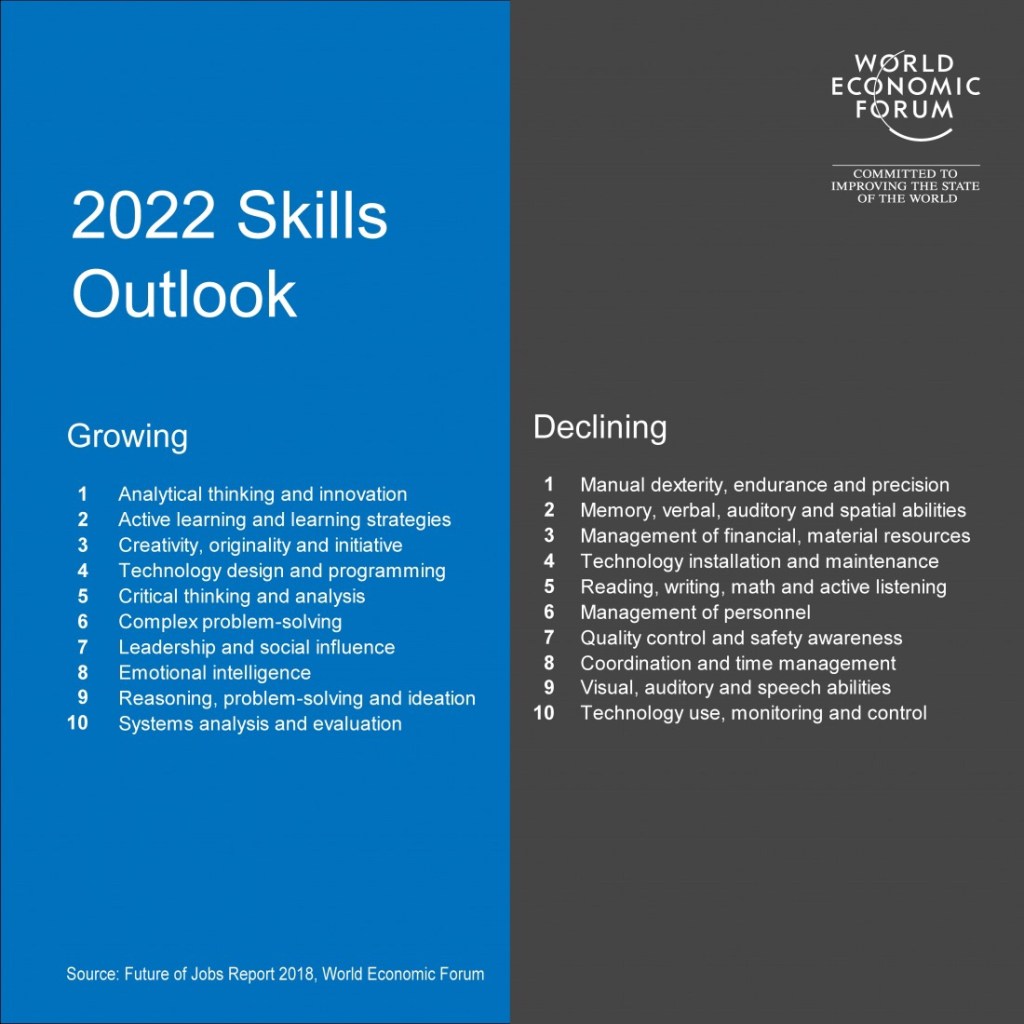
Yet here we are, stuck with a rogue virus and a philistine government. We’re looking to a front bench that puts cronies over culture. Make no mistake, the arts are not safe in their hands; the clock is ticking.

So, if you’ve ever loved a film, a concert or a play – this is a call to action. If you’ve ever felt the magic of performance. – this is an alarm bell! If you’ve ever been touched by the arts – this is the time to stand, to shout, to lend your support: www.campaignforthearts.org

Writing: it started with a bowl

It’s 1985 and I have writers block. My 9 year old self is scratching my head. I am sitting at the kitchen table opposite my mum. She is trying to to be patient but I see the steam. She wants me to describe what’s in my bowl.

I have Mrs Briggs to thank for this. At the start of term, she gave out orange text books, “These are for writing your stories,” she said with a smile.

My ‘stories’ were already written, lined up on my shelf. Anne of Green Gables, Little Women, What Katy Did Next – I ate them up. I was a reader, a total bookworm.

Yet, when it came to writing my head was empty. Adjectives mocked me, similes vexed me and metaphors made me sad. So it came to be that I was sat there staring at my breakfast bowl.

“What do you see Tess?” my mum asks. I’m looking at the dregs of my Weetabix – what should I say? “Describe it to me” she pressed. On the spot, I felt nervous, “Milky pools?” I volunteered. Her eyes brightened, “OK, what else?” Gosh, this was painful, “Umm, muddy mountains.” She was almost buzzing, “Great! What else?” I was grabbing at straws, “A spoon, silvery like the moon.” She clapped her hands, “Yes Tess, you’re doing it!”

There’s nothing better than pleasing your mum; her happiness lights up the room. I was left with a biscuit, juice and the challenge to write.

As the midday sun shone, I started writing my story of The Magic Pen. A mischievous pen, that caused mayhem wherever it went. Do you know what I found? I found that, if I thought less and just wrote, I could end up anywhere.

Days later, when I got my story back from Mrs Briggs, my heart leapt. There on the page was a star and the words, ‘A magical story Tess.’ And so, the reader became the writer. I shall always thank my mum for helping me to find my writing verve.

The forest is my happy place

As I walk through the forest I feel myself unfurl. The path is strewn with pine cones – I pick one up, press it to my palm.

Ahead, my son hollers as he spars invisible knights. The dog plods by my side, nosing the leaves for something edible. He’s always hungry, unfazed by old age spread.

I’m hungry too but not for food. It’s the green I crave. I synch my breath with my tread; my lungs fill with loamy air. It’s as if the forest heals. The trees reach to me, like the arms of a mother.

These days I’m tightly wound. I bid myself to relax. Yet the months that lie behind have taken their toll. I move with a coil inside me. My husband watches, he knows the signs – the anxious tick.

Rain falls through the forest leaves. We are in no rush. Instead we turn our faces upwards. My son opens his mouth to catch a taste: “God is crying mummy.” I’m not sure where this religion comes from. I am a heathen, still unchristened at 44.

We come to a clearing and standing stones – a Druid’s dell. We move in between granite columns and altar. It is a spiritual place. We sit a while, taking in the ancient view.

Then we discover the plaque – it is a folly built for wealthy men. Maybe the ‘sirs’ wore robes and prayed to the moon. We imagine them there, in the fading light.

No matter, it is still magical. We are happy that we found this place. Damp discoverers, we trudge back to the car. I still hold the pine cone in my hand. My lungs still full of forest air, my heart is happy.